A beginner’s guide to buying your first mirrorless camera
Spec sheets are designed to confuse. These are the few lines on them that genuinely matter to a first-time buyer, and the questions to answer before you shop.
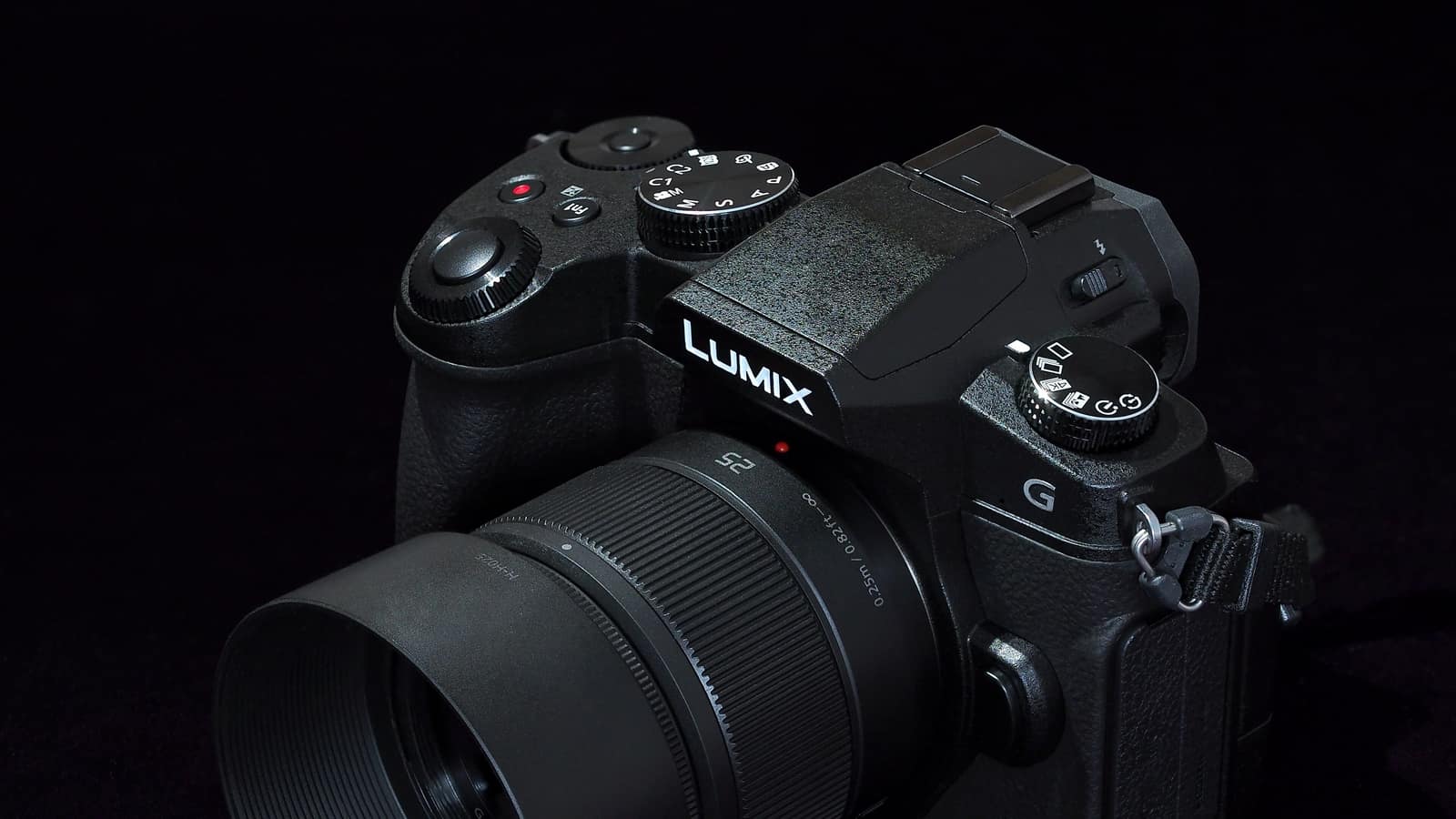

A mirrorless camera is one that uses the main image sensor to show you the picture on a small electronic screen or viewfinder, rather than bouncing light off a mirror into an optical finder the way a traditional single-lens reflex does. Removing the mirror makes the body smaller, lets the camera focus anywhere across the frame, and allows the viewfinder to show you exactly the exposure, white balance and depth of field you will get. Nearly all new interchangeable-lens cameras sold today are mirrorless; the Wikipedia article is a reasonable primer on the type if you are curious about the lineage.
The question is which one, and the answer starts with you, not the shop.
The three questions to answer before you shop
What are you going to photograph? A camera for your children’s sports is a different machine from one for landscapes or restaurant tables. If most of your pictures will be moving people indoors, autofocus speed and low-light performance matter most. If most will be landscapes or still life in daylight, those are the easy jobs any modern camera handles well and you can save your money.
How much do you want to carry? A full-frame body and a 24–70 mm lens together weigh around 1.2 kg and fill a day bag. A micro four-thirds or an APS-C kit with a pancake lens can live in a coat pocket. The best camera is the one you take with you, which is less of a cliche than it sounds; people who buy heavy kit and leave it at home come back with fewer photographs, not better ones.
What is your real budget, kit included? A camera without a lens cannot take a picture, and the kit lens that comes in the box is usually the slowest, cheapest glass the maker sells. A sensible first budget runs: body, one zoom lens (either the kit zoom or a step up), a 32 GB or 64 GB SD card, a spare battery, and a bag you will actually carry. Plan to spend about a quarter of the body price on these accessories.
What matters on the spec sheet
Sensor size
The three common sizes are full-frame, APS-C and micro four-thirds, in decreasing order. Bigger sensors collect more light and give cleaner images in dim rooms, but they also make the lenses bigger and more expensive. For a first camera APS-C is the sweet spot for most people; micro four-thirds is excellent for travel and small spaces. Full-frame is lovely but overkill for a beginner, and the lens prices come as a shock.
Megapixels
Anything above about 20 megapixels is more than enough for Instagram, prints to A3, and most magazine work. More megapixels does not mean a better picture; it means larger files and a sharper reproduction of your mistakes. Ignore this number once it is comfortably over 20.
Autofocus
Look for “eye-detect” or “animal eye AF” in the spec. This is the single biggest practical improvement of the last five years in affordable cameras; the lens can track a moving person’s eye and hold it in focus. For families and pets it genuinely changes the keeper rate.
In-body image stabilisation (IBIS)
The sensor moves to counteract small hand movements, giving you two or three extra stops of hand-holdable shutter speed. Hugely useful indoors and at the start of golden hour. Not every entry-level body has it.
Viewfinder
An electronic viewfinder (EVF) is a small screen you hold to your eye. It is better than the rear screen in bright sunshine and steadier because you are bracing the camera against your face. Cheaper mirrorless cameras leave it out to cut the price. If you have ever struggled to see a phone screen in sun, you want a viewfinder.
Video, only if you care
If you do not shoot video, skip this row of the spec sheet. If you do, look for 4K at 30 frames per second and a microphone socket. Everything else is marketing.
What to ignore
Wi-Fi speed, “computational” pre-set modes, the number of film-simulation profiles, GPS, the colour the body comes in, and the exact number of autofocus points. These are either now standard or essentially cosmetic.
Buying order of operations
- Decide the system (brand and mount). You will spend more on lenses over time than on the body, so the mount matters more than the model.
- Buy the body you can afford at the bottom of the range you are considering, not the top. A cheaper body with a better lens beats a pricier body with a slow kit zoom nine times out of ten.
- Pair with one zoom lens for now. A 16–50 mm or 18–55 mm on APS-C is a sensible starter; on micro four-thirds a 12–45 mm.
- Buy two SD cards, not one, and keep them in different bags.
- Learn where the exposure compensation dial is. Our piece on aperture, shutter speed and ISO is the quickest way to get there.
New versus used
A good used camera from a reputable UK dealer, with a short warranty, is the cheapest route into a decent system. Look for one generation old rather than two or three; the big step-change in autofocus was recent, and an older body misses eye-detect altogether. Buy from a shop rather than a listings site; the small premium pays for a tested body and a return window.
After you buy
The next three decisions – which lens to add next, which editor to use, whether to shoot JPEG or RAW – are much less important than they feel in the shop. Spend the first six months taking the camera everywhere, shooting at the widest aperture you own in the lowest light you can find, and reading the viewfinder data between shots. You will know what to buy next because the camera will tell you what it is bad at.
For a free upgrade in the meantime, our composition piece and the notes on light cost nothing and make more difference than any lens.