Shooting the golden hour in the UK, without chasing a sunrise
In a British winter the golden hour arrives in the middle of your working day. Here is how to plan for it, and what to do when the sun stays behind cloud.
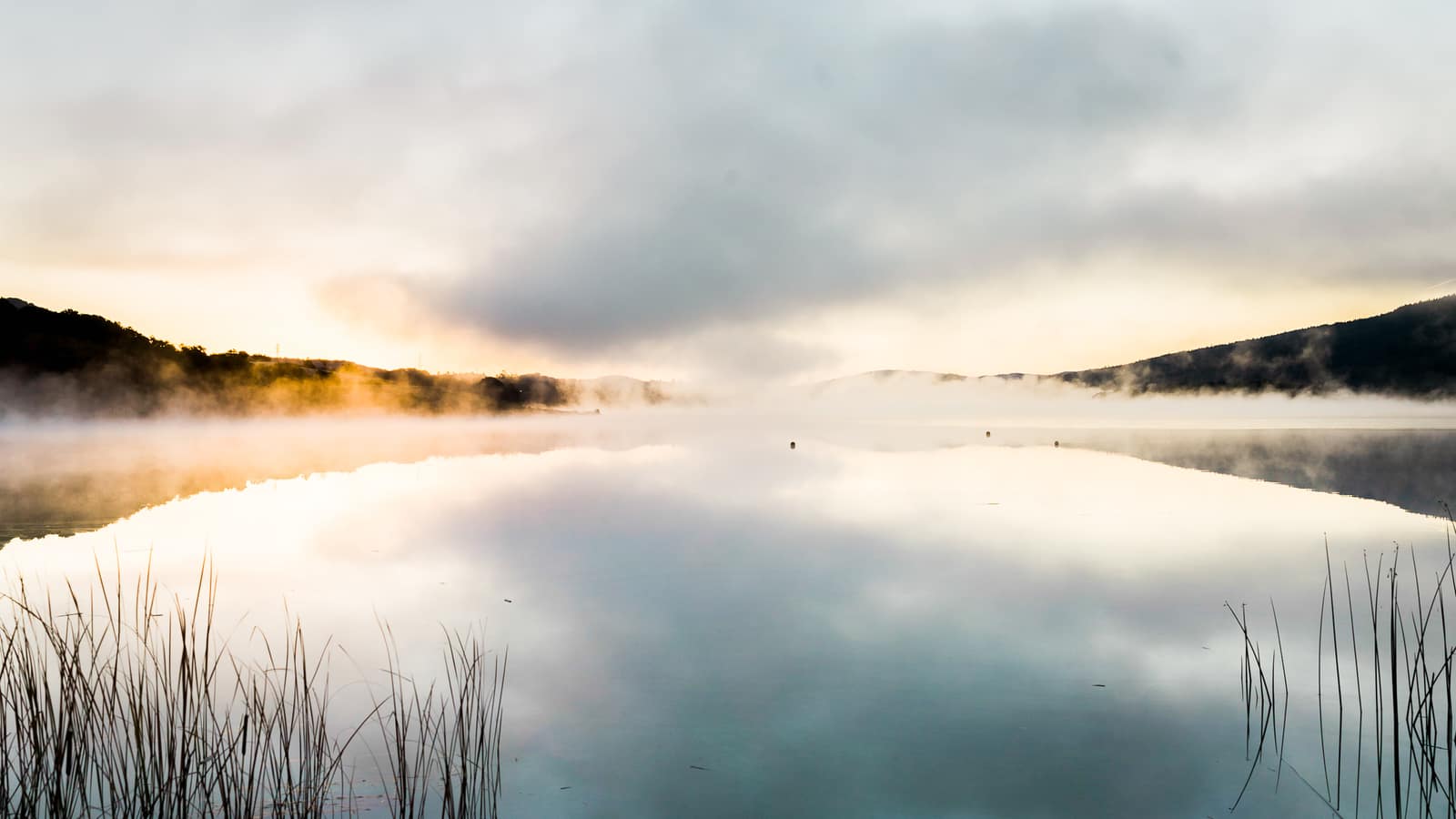

Light does more for a photograph than any camera. The hour before sunset and the hour after sunrise – the so-called golden hour – gives you warmer colour, longer shadows and a lower contrast range, which is to say pictures that need less fuss to look pleasant. In Britain the practical problem is the weather, and the second practical problem is the clock: in December the golden hour lands in the middle of the afternoon, and in June it starts after most people have put the kettle on for dinner.
When it actually happens
Golden hour is defined as the period around sunrise or sunset when the sun is low enough that daylight travels through more atmosphere and comes out redder. In practice the first and last hour of visible sun is a fair rule of thumb, though the useful window is often shorter at high latitudes in winter and longer in spring. The Wikipedia entry has the geometry if you want it; in the UK you mostly want the sunset time for the day.
The Met Office publishes sunrise and sunset times for every postcode as part of its daily forecast. Check the page the night before and the morning of; decide whether you can be where you need to be within forty-five minutes of sunset; and give yourself fifteen minutes on arrival to settle in before the best light. A short list of favourite viewpoints near home – a hilltop, a canal, the top deck of a bus route – saves the usual photographer’s panic of driving into light that is already fading.
Six settings to carry into the last hour
- White balance: switch off auto. Set “cloudy” or around 5500 K on a mirrorless camera, and on a phone lock the white balance by tapping and holding the subject in the viewfinder. Auto will try to undo the warmth, which is the warmth you came for.
- Exposure: protect the highlights. Turn the exposure dial down by a third or two-thirds of a stop (−0.3 to −0.7 EV). Golden-hour skies blow out more easily than they look.
- ISO: keep it as low as the shutter speed allows – often ISO 100 or 200 at the start, ISO 800 by the time the sun has gone. If the article on aperture, shutter speed and ISO is still new to you, read that first.
- Aperture: f/5.6 to f/8 for landscapes with a clear foreground; f/2.8 to f/4 for portraits where you want the background soft.
- Shutter speed: at least 1/125 s handheld with a short lens, 1/250 s for moving people, slower only if you can brace against a wall or a bench.
- Metering: spot or centre-weighted, pointed at the subject’s face or the brightest part of the sky you want to keep detail in. Then recompose.
When the sun refuses to appear
British golden hour is often not golden at all. A flat grey sky absorbs the warmth, and what you get instead is a diffuse evening with cool shadows. This is not a failure. Overcast evening light is kinder to faces, puddles start to behave like mirrors and small colours (a yellow door, a red postbox) read more cleanly without the sun bleaching them.
If you were hoping for a sunset and the cloud wins, stop looking west. Turn and shoot the thing the light is actually touching. Window reflections, wet pavements, the underside of trees in a sodium-lit street – all of these come alive in the last hour of daylight regardless of whether the sun shows its face.
Finding sheltered subjects
A reliable British plan is to work with subjects that do not depend on a dramatic sky. Buildings with west-facing walls catch warm light even when the sky overhead is grey. Canal paths and riverbanks channel the low sun under low cloud. Woodland in early autumn glows for a full hour on an overcast evening because the leaves themselves are the light source. A paved town square is often the strongest hour-before-sunset subject in a city centre, where the direction of the light sets long shadows across the paving.
If you are at the coast, give yourself an hour each side of low tide. Rock pools, wet sand and seaweed catch low light in a way that dry ground never does. Check tide times for your stretch of coast, and never put yourself between a rising tide and a cliff; the picture is not worth it.
Blue hour, which is the free hour
The twenty minutes after sunset have a name of their own. Blue hour light is deep blue in the sky and warm yellow on the ground, especially where there are streetlights, shop windows and phone screens. Cities look best during this gap. Shutter speeds get slow quickly, so lean against something; most small sensors handle ISO 1600 well enough for a web-sized image, and if your camera or phone has a tripod thread, three or four seconds at the railing of a bridge turns a quiet view into a postcard.
Why the second shot is usually the keeper
Almost everyone takes the picture they imagined before leaving the house, then packs up. Golden hour rewards the people who stay another twenty minutes. The sun drops below the hill, the sky colour changes from orange to magenta to blue, lamps come on, and the picture you did not plan is usually the better one. Stay a little longer, warm your hands on a flask, and look behind you.
Once the light is gone you have another tool left to you: editing. For a gentle first pass, our Snapseed walkthrough turns a flat phone photo into something that looks like what you saw in person. And if your compositions still feel unsettled, the piece on the rule of thirds is where to look next.